
When planning a flooring project, the initial quote for materials often dictates the direction a homeowner or developer takes. However, in the modern construction landscape of 2026, the cheapest material on paper can frequently become the most expensive when project delays are factored in. At UK Screeds Ltd, we find that the debate between standard flow screed and rapid-dry alternatives is one of the most important conversations we have with our clients.
Whether you are looking for rapid cure screed in Suffolk or managing a large-scale industrial pour requiring power screed, understanding the value behind the price tag is essential for your bottom line.
The True Cost of Waiting Time
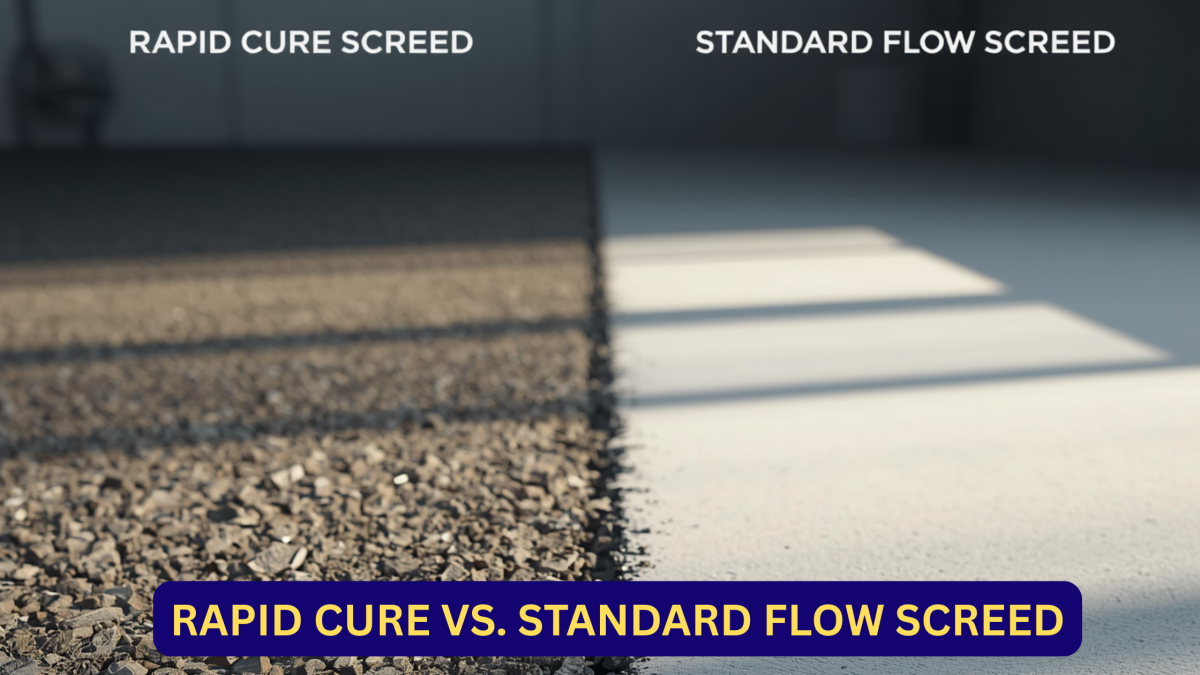
The primary difference between these two products is the binder technology. A standard anhydrite flow screed is incredibly cost-effective and offers excellent thermal conductivity for underfloor heating. However, it relies entirely on natural evaporation to dry. On a typical UK site, this means a drying rate of roughly 1mm per day. For a standard 50mm floor, you are looking at nearly two months before you can lay sensitive floor coverings like wood or LVT.
In contrast, rapid-cure systems utilize specialized cementitious binders. Instead of waiting for the water to leave the slab, these binders consume the water through a chemical process.
- Site Accessibility: While standard screed keeps other trades off the floor for several days, rapid-dry floors are usually ready for foot traffic in just 24 hours.
- Project Completion: You can often install your final floor finish in as little as 10 to 14 days, compared to the 60 days required for traditional mixes.
When Efficiency Outweighs Material Price
For many of our clients, the extra cost of a premium mix is quickly offset by the savings in site overheads. If you are renting scaffolding, paying for site security, or managing a tight commercial deadline, a two-week turnaround is a massive financial advantage. We have seen projects in the Midlands where the use of a power screed in Derbyshire allowed contractors to finish a warehouse floor and return to full operation weeks ahead of schedule.
Furthermore, standard anhydrite screeds usually produce laitance, which is a weak, dusty top layer that must be sanded off about a week after the pour. Many of our rapid-cure cementitious mixes are low-laitance, meaning you can often skip the sanding phase entirely, saving you both time and the additional labour cost of surface preparation.
Making the Right Choice for Your Project
At UK Screeds Ltd, we don’t believe in a one-size-fits-all approach. If you are on a long-term build with no immediate rush, a standard flow screed remains a fantastic, budget-friendly option. However, for extensions, renovations, or commercial hubs where time is money, the rapid-cure option is almost always the more economical choice for the total project budget. Ready to calculate your project savings? The UK Screeds Ltd team is here to provide a detailed cost-benefit analysis tailored to your specific site requirements.