

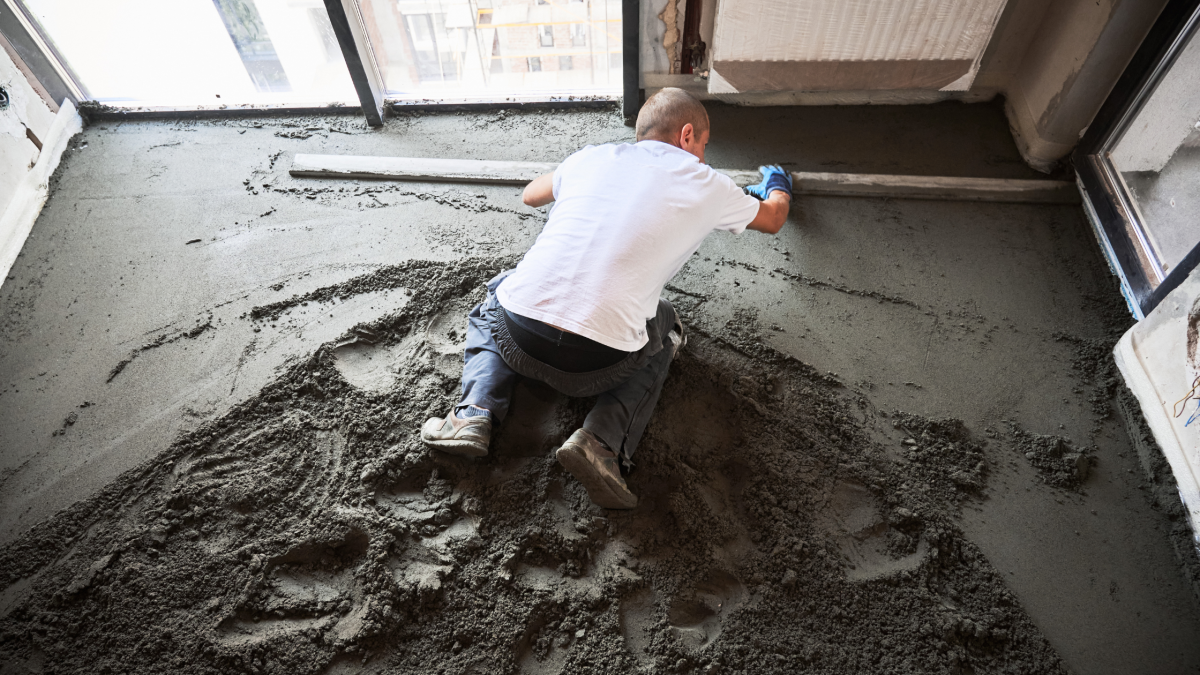
The cement screed is supposed to provide a strong, stable base, and therefore, when cracks begin to show, it is generally a sign that something within the process has gone incorrectly. We have noticed this in a lot of our projects here at UK Screeds Ltd., including some recent work involving cement screed in Bristol, where small issues during early curing quickly turned into visible surface problems. Understanding why cracks form gives you a better chance of stopping small defects before they affect the wider structure of your floor.
What Causes Cracks in Cement Screed?
Cracks typically result from movement and moisture. The uneven drying of the screed causes differing shrinkage rates amongst various sections, thereby creating internal stresses. That stress shows up as fine lines on the surface, gradually spreading. Inadequate mixing ratios also lead to weakening of the material, making it less able to cope with normal foot traffic or heavy loads.
Subfloor preparation counts, too. If the base isn’t clean and level or primed properly, the screed may not bond and will start to lift eventually. And then there are the rapid temperature changes that exacerbate the situation further. The buildings that rapidly heat up from cold will make the screed expand and contract much faster than it is engineered for, adding extra strain.
Early Warning Signs You Should Catch
If you start to notice thin surface cracks within the first few days, do not ignore them. Often, they’re the first sign that deeper tension is building. Another red flag that you may notice is hollow patches. These come about when the screed has pulled away from the subfloor. Light curling at edges or corners happens frequently and may indicate uneven drying.
Catching these signs early gives you a chance to correct the issue before you install flooring on top.
How to Avoid Cracking From the Very Beginning
The best prevention always begins with preparation. We make sure the subfloor is solid and primed correctly, so the screed has a stable base to start with. Similarly, getting the right water-to-cement ratio is important. Too much water increases shrinkage, while too little affects strength. Proper curing protects the screed as it dries. Sudden heating, open windows, or switching on underfloor heating too soon can all cause cracking.
For complex layouts or demanding conditions, fibre-reinforced mixes often perform better. We’ve used them successfully in larger projects involving cement screed in Derbyshire, where the added stability helps the floor cope with wider spans and mixed temperatures during construction.
Need Expert Help?
Whether you’ve witnessed the earliest stage of cracking or want a professional installation right from the get-go, we’re here to help. Feel free to contact UK Screeds Ltd. for any advice, assessments, and expert screeding solutions to suit your project.