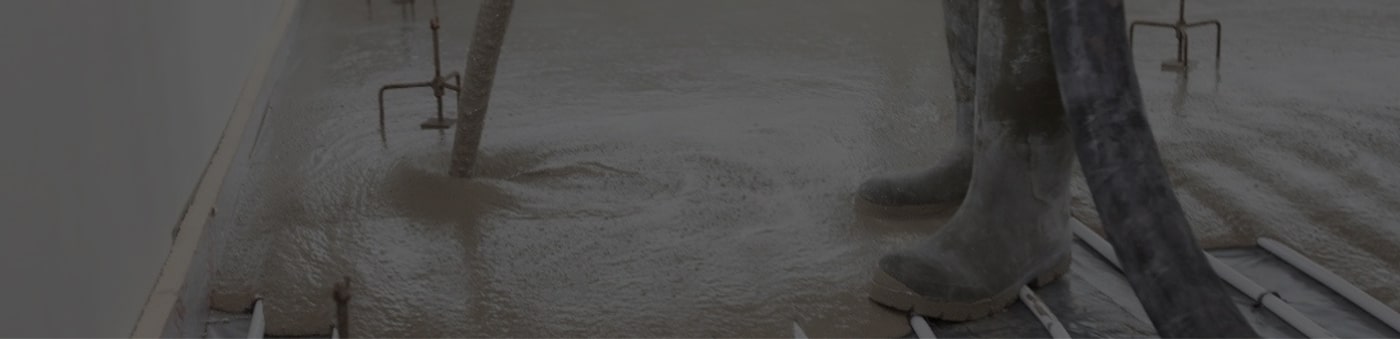
Cold weather makes floor prep tricky. Adhesives take longer to grab, moisture behaves unpredictably, and surface temperatures can mess with curing times. If you rush through it, you wind up with lifting, hollow spots, or other visible imperfections once the final finish goes down.
So, let’s break down how to get the groundwork right, even when the temperature drops.
Start by Checking the Actual Floor Temperature
People often pay so much attention to the air in the room, but it’s actually the temperature of the subfloor that really matters. Most adhesives and levelling compounds require the surface to be within their recommended range, or they simply won’t bond properly. A simple infrared thermometer saves a lot of guesswork here. If the floor is too cold, bring in temporary heating to raise the slab temperature gradually rather than blasting hot air at it.
This is especially important when handling detailed work, such as floor preparation in Oxford, where older homes can hold onto cold for longer due to solid walls and uninsulated slabs.
Control Moisture Before You Do Anything Else
Cold weather slows down the evaporation process, and because of that, moisture readings can be misleading. A slab that is dry to the touch on top may still hold damp underneath. Perform proper moisture testing rather than relying on feel or appearance. Allow longer acclimatisation time if readings are borderline or apply an approved moisture barrier.
This step, if skipped, is one of the principal causes of adhesive failures during the winter months.
Warm the Materials, Not Just the Room
Allow your adhesive, primer, and levelling compound to reach room temperature for at least 24 hours before use. Cold materials tend to behave quite unpredictably. Textures will be thicker, the chemical reactions will be slower, and spreading will be uneven. If possible, store them inside the property or in a heated van to avoid sudden changes in temperature.
A similar approach helps during floor preparation in Nottingham, where damp conditions paired with low temperatures make the products feel thicker and harder to work with if they have been kept in an unheated space.
How to Use Temporary Heat Correctly
Temporary heating is acceptable, but avoid any that provides direct heat to the floor. Radiant heaters, open-flame heaters, or directing hot air into newly laid materials can produce quick skinning, cracking, or accelerated surface drying while leaving underlying layers soft. Instead, seek a steady uniform ambient temperature rather than rapid heating.
Give Everything More Time
Drying, curing, and bonding slow down in cold weather. Build this into your schedule rather than rushing the next layer. If the manufacturer recommends two hours, assume you’ll need more. Cold weather is a patience game, and patience is cheaper than fixing floor failures later.
Final thought
Cold weather does not necessarily have to derail your project. With the right temperature control, moisture checks, and product handling, you can keep bonding strong and drying times predictable, no matter how chilly it gets.
If you need any help with floor preparation in Oxford or Nottingham, do not hesitate to give UK Screeds Ltd. a call.